


ABB 266DSH-E-S-S-B-1-B-7-E1-LS-R1-B1-I2 Differential Pressure Transmitter for Process Measurement
ABB 266DSH Differential Pressure Transmitter for Process Measurement
The ABB 266DSH-E-S-S-B-1-B-7-E1-LS-R1-B1-I2 is a configured 2600T-series differential pressure transmitter intended for industrial flow, level, pressure-drop, and process-monitoring applications. ABB identifies the 266DSH as its standard DP-style differential pressure transmitter, combining a traditional dual-process-connection arrangement with digital electronics, local configuration options, and communication choices for modern control systems. The complete suffix defines the supplied construction and options, so buyers should always use the full order code rather than purchasing by the 266DSH family name alone.
ABB's published information for the 266DSH family lists base accuracy from ±0.06 percent and span limits from 0.05 to 16,000 kPa, depending on the selected sensor range and configuration. Communication options across the family include HART, PROFIBUS PA, and FOUNDATION Fieldbus. The platform also offers field-replaceable electronics with auto-configuration and an optional local display. Exact accuracy, range, static-pressure rating, wetted materials, approvals, and communication protocol must be confirmed from the configured model and its manufacturer data sheet.
Common Process Applications
- Differential-pressure flow measurement across an orifice plate, nozzle, venturi, or other primary element.
- Hydrostatic level measurement in open or pressurized vessels.
- Filter, strainer, and heat-exchanger pressure-drop monitoring.
- Pump, compressor, and pipeline condition monitoring.
- Interface measurement and density-related calculations when the process design is suitable.
- Replacement or expansion work in plants using HART or fieldbus instrumentation.
In a flow loop, the transmitter measures the pressure difference created by the primary element and sends the configured process value to a PLC, DCS, recorder, or flow computer. In a vessel application, differential pressure can represent liquid head while the low-pressure side provides a reference or connects to the vapor space. Correct impulse-line design, manifold selection, elevation compensation, and process-fluid properties are essential to reliable measurement.
Configuration and Model-Code Verification
The requested code 266DSH-E-S-S-B-1-B-7-E1-LS-R1-B1-I2 should be checked character by character against the current ABB ordering information. Important selection points include calibrated span, overpressure and static-pressure limits, diaphragm and flange materials, process connection, fill fluid where applicable, gasket and bolt materials, housing construction, display, protocol, hazardous-area approval, mounting bracket, tag plate, and documentation. A similar-looking 266DSH may have different wetted parts or electrical approvals and may not be a safe direct replacement.
The I2 suffix is associated in ABB ordering documentation with a stainless-steel plate carrying laser-printed tag and calibration information. Other suffix positions should not be interpreted only from appearance or from a different revision of the ordering guide. For a replacement inquiry, provide a clear photograph of the complete nameplate, the existing calibrated range, output protocol, process connection, manifold arrangement, and approval markings.
Installation and Commissioning Guidance
Before installation, inspect the transmitter, process flanges, diaphragms, gaskets, vent and drain plugs, and electrical entries. Mount the instrument and manifold so that trapped gas or liquid can be managed according to the service. Impulse lines should be supported, kept free of unnecessary pockets, and arranged to minimize unequal temperature effects. The high- and low-pressure connections must match the loop drawing, and the selected gasket must not obstruct the pressure ports.
Commissioning should include leakage checks, manifold-valve sequencing, equalization, zero verification, calibrated range confirmation, output simulation, loop-current or fieldbus communication testing, and local-display checks. If square-root extraction is used for flow, confirm whether that function is configured in the transmitter, control system, or flow computer so it is not applied twice. Record the final lower and upper range values, damping, engineering units, tag, alarm direction, and device revision.
Maintenance and Replacement Planning
Long-term measurement quality depends on the complete pressure path, not only the transmitter electronics. Plugged impulse lines, leaking manifold valves, temperature gradients, damaged diaphragms, or incorrect equalization can imitate a transmitter fault. Maintenance teams should review diagnostic messages, compare process conditions, inspect the manifold and impulse lines, and perform a controlled zero or calibration check before replacing the device.
For critical loops, maintain the device configuration, calibration records, certificates, and spare-part information with the plant asset database. A replacement should be reviewed for sensor range, maximum working pressure, materials, protocol, firmware compatibility, environmental rating, and hazardous-area certification. Any change affecting a safety or custody-transfer function requires the site's approved engineering and management-of-change procedure.
Important Photo and Ordering Notice
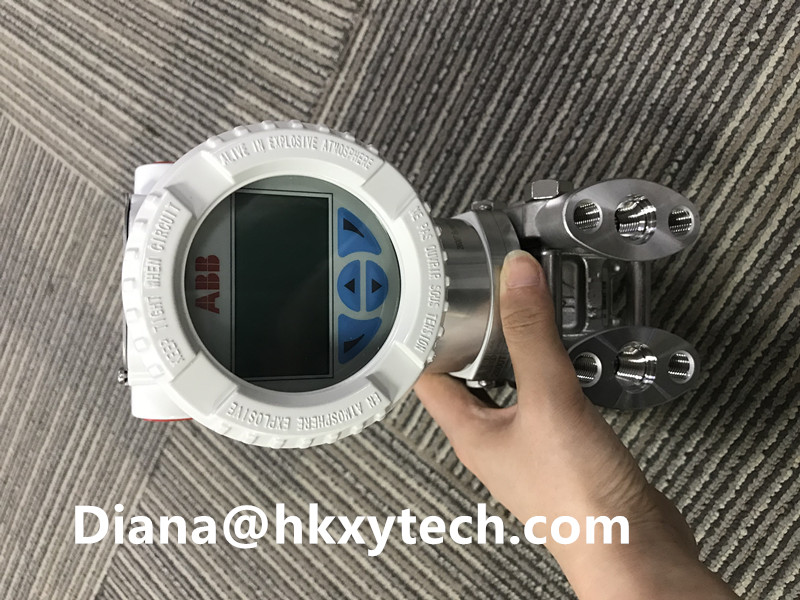
The supplied photograph shows an ABB 266-series differential pressure transmitter, but the source filename identifies 266DSHHSSB2A1L1B2S2I2 rather than the requested 266DSH-E-S-S-B-1-B-7-E1-LS-R1-B1-I2. The image is therefore a physical-product reference and does not prove the exact configured suffix. Final supply must be verified using the carton label, transmitter nameplate, complete ABB order code, calibration data, approvals, and purchase specification.
For price, availability, lead time, and technical confirmation, send the full model code, quantity, measuring range, static pressure, process fluid, wetted-material requirement, output protocol, approval requirement, mounting accessories, certificates, and delivery destination. These details help distinguish a family-level inquiry from an exact configured transmitter request and reduce the risk of an unsuitable substitution.
