


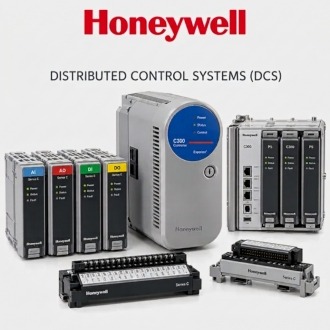
A Distinct C300 Connection Record for Honeywell CC-TCNT01
A controlled installation of Honeywell CC-TCNT01 needs more than a matching label. This Series C C300 controller IOTA retained as a separate requirement record defines the interface evidence, field inspection and functional tests needed before the item can be accepted for service.
| Brand | Honeywell |
|---|---|
| Normalized model | CC-TCNT01 |
| Product context | Series C C300 controller IOTA retained as a separate requirement |
| Website category | Honeywell / DCS |
| Enquiry basis | Exact label, quantity, condition, installed-system context and destination |
Carrier and slot context
Locate Honeywell CC-TCNT01 precisely by plant, unit, cabinet, chassis or carrier, slot and redundant side. Measure available space and identify nearby equipment that affects access or cooling. Record the installed model and any companion assembly before disturbing wiring. If this is a stores requirement, identify the assets it is intended to support. The location record connects the catalogue code to a real maintenance and inventory responsibility.
Engineering data pack
Assemble the document set for Honeywell CC-TCNT01: cabinet layout, loop diagram, termination drawing, channel schedule, cable schedule, power distribution and relevant cause-and-effect or control narrative. Mark the current installed state and the proposed change separately. Resolve conflicting drawing revisions before work begins, then retain approved redlines so the as-built record reflects the terminals and channels actually commissioned.
Exact catalogue code
Use CC-TCNT01 as the normalized model and preserve its characters exactly. The separate part reference in this source line is not separately stated in the source line. Keep that reference in a supporting field rather than combining it with the model. Compare front, side and package labels with the purchase request and installed unit. Any revision, coating, suffix or assembly difference must be reviewed before Honeywell CC-TCNT01 is released to the job.
Connection boundary
Define how Honeywell CC-TCNT01 connects to the installed control hardware. The working context is Series C C300 controller IOTA retained as a separate requirement. Record the associated I/O or controller module, carrier or IOTA relationship, redundant partner, auxiliary board and field interface. Confirm which hardware supplies power, termination, isolation or signal conditioning. A clear interface boundary prevents a familiar-looking assembly from being ordered for the wrong module family.
Signal-type schedule
List every signal that will pass through Honeywell CC-TCNT01. Include channel number, tag, service description, input or output type, range, engineering units, normal state, fail action, line monitoring, HART use and redundancy where applicable. Identify spare and inhibited channels. This channel-level schedule gives technicians a measurable basis for wiring checks and avoids copying configuration from a different cabinet without validation.
Loop-test evidence
Prepare an inspection and test plan for Honeywell CC-TCNT01. Verify identity and condition before installation, then check power, grounding, communications or module recognition as relevant. Perform point-to-point continuity, simulated input or output response, alarm and diagnostic checks, fail-state behaviour and redundancy transfer where applicable. Record expected and actual results by channel so acceptance depends on evidence rather than a general statement that the hardware powered up.
Future maintenance reference
Close the Honeywell CC-TCNT01 file with the enquiry, supplier evidence, model and part photographs, receiving inspection, work order, test results and final disposition. Repeated model entries remain separate when quantities, conditions, destinations, cabinets or projects differ. Update asset and warehouse records with the normalized model. Retaining this evidence supports future troubleshooting without treating an earlier purchase as automatic approval for another installation.
