


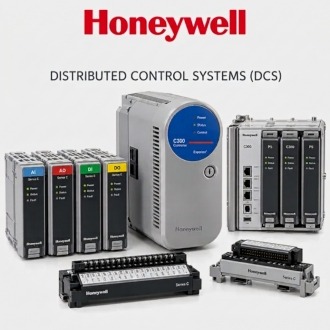
Defining the Inventory Role of Honeywell TK-PRR021
Honeywell TK-PRR021 is organized as an asset-master and maintenance-BOM record for legacy Experion PKS I/O or control module. The page connects normalized identity, parent equipment, stocking logic, supplier data and receiving controls in one traceable procurement context.
| Brand | Honeywell |
|---|---|
| Normalized model | TK-PRR021 |
| Product context | legacy Experion PKS I/O or control module |
| Website category | Honeywell / DCS |
| Enquiry basis | Exact label, quantity, condition, installed-system context and destination |
Parent equipment relationship
Link Honeywell TK-PRR021 to its parent equipment and installed hierarchy. Record plant, unit, system, cabinet, chassis or rack, carrier, slot and associated module as applicable. Include drawing and work-order references. If the item is not currently installed, list the assets it is intended to support. This relationship explains why the spare exists and prevents an orphan stock record with no accountable equipment owner.
Maintenance BOM position
Position Honeywell TK-PRR021 in the maintenance bill of materials. Identify parent assembly, required quantity per asset, interchangeable positions, mandatory companion parts and tools or accessories. Distinguish an illustrated-parts reference from a site-approved spare. Record the engineering basis for adding or changing the BOM. A catalogue match alone does not prove that the component belongs in every similar cabinet or system revision.
Normalize the model
Use TK-PRR021 as the normalized model and preserve every character. The source line's separate reference is not separately stated in the source line. Store that value in a supporting part or drawing field instead of combining it with the model. Compare readable product and package labels with the request. Any revision, suffix, non-Latin character, slash or companion number must be resolved before Honeywell TK-PRR021 is approved for purchasing or warehouse receipt.
Demand and quantity
Set the stocking quantity for Honeywell TK-PRR021 from installed population, commonality, failure history, active projects, lead time, repair turnaround and consequence of shortage. Separate current work-order demand from minimum service stock. Record unit of issue and reorder information. A repeated model in the source list may represent a different destination or need date, so each request retains its own quantity and commercial history.
Quality and authenticity
Define evidence needed to establish the identity and condition of Honeywell TK-PRR021. Review photographs, traceable labels, test reports, repair certificates and storage history. Check for altered markings, mixed lots, damage or missing accessories. Qualified personnel should confirm system compatibility using Honeywell documents and site engineering procedures. Source confidence and a correct-looking label do not replace the final technical fit assessment.
Supplier data return
Ask suppliers to quote Honeywell TK-PRR021 as a separate line with normalized model, quantity, condition, price, lead time, warranty, origin, offer validity and delivery term. Require label photographs, revision, serial or date information, repair status, included accessories and packing details. Structured returns make offers comparable and provide the fields needed to create or update vendor and purchasing records without copying ambiguous free text.
Receiving controls
Receive Honeywell TK-PRR021 against the purchase order, master record and evidence pack. Verify model, supporting reference, revision, quantity, unit of issue, condition and promised documents. Inspect packaging, connectors and physical state, then photograph labels before stock release. Quarantine discrepancies and record the reason. Do not silently change the material description to make a delivered item appear to match the order.
