


ABB 1SVR730180R3300 configuration and acceptance questions
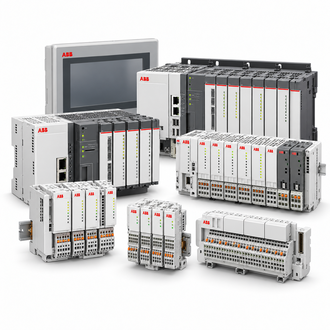
ABB 1SVR730180R3300 identifies a CT-S off-delay timer in the CT-APS off-delay time relays group. The shared image illustrates the category only; order and installation decisions use the exact ABB 1SVR730180R3300 code.
This ABB 1SVR730180R3300 page places the technical identity first, then the circuit checks that determine whether a particular variant belongs in the installed panel.
Technical data and variant boundaries
| Technical item | Verified value / selection note |
|---|---|
| Complete designation | 1SVR730180R3300 |
| Product family | CT-APS off-delay time relays |
| Component role | CT-S off-delay timer |
| Exact ABB order reference | 1SVR730180R3300 |
| ABB product series | CT-APS off-delay time relays |
| ABB order code | 1SVR730180R3300 |
| Manufacturer type | CT-APS.22S |
| Function | OFF-delay |
| Output | 2 c/o in ABB description |
| Supply | 24–48 V DC or 24–240 V AC in ABB description |
| Final configuration | Confirm exact nameplate, hardware revision and order options before purchase |
How should an alternative be compared?
An alternative to ABB 1SVR730180R3300 needs a documented part-to-part comparison, not an informal family-name match. Check supply, contacts or channels, connection style, output limits and approval conditions.
The ABB 1SVR730180R3300 representative code does not make other codes on this page interchangeable. Confirm each variant against its own ABB product record and the site design.
What problem is this part intended to solve?
ABB 1SVR730180R3300 serves a defined relay, control-power or I/O function. Match that function against the approved drawing and the fault or expansion request before treating ABB 1SVR730180R3300 as the needed part.
Do not select ABB 1SVR730180R3300 only because its outline resembles another module. Coil supply, contact count, signal level, board revision and protocol can change across neighboring order codes.
Which installed details must be checked?
Gather the host device type, drawing revision and terminal schedule. For ABB 1SVR730180R3300, confirm control supply, delay setting and contact map.
Ask the buyer or maintainer to record the old ABB 1SVR730180R3300 label, the intended replacement code and every electrical or mechanical difference that matters to the circuit.
What belongs in the purchase line?
State ABB 1SVR730180R3300 in full together with quantity, host panel, required variant and any function-setting details. Include the project drawing or maintenance reference.
For ABB 1SVR730180R3300, request a package label and revision photo before dispatch when the downtime window is tight. Resolve discrepancies before the old device is removed.
What proves the system is ready?
After fitting ABB 1SVR730180R3300, verify delay and both changeover contacts. Test both the normal action and the permitted fault or reset state where the function supports them.
Save the ABB 1SVR730180R3300 as-left type, measured response, drawings updated and authorizing sign-off. A powered indicator alone is not proof of correct system behavior.
What is the safe fitting sequence?
Before work on ABB 1SVR730180R3300, isolate and verify the relevant supplies under the site procedure. Note stored energy, backfeeds, safety circuits and field-device effects.
Record terminal positions and settings before removing the installed component. Fit ABB 1SVR730180R3300 using its approved base, rail, board slot or mounting hardware and recheck conductor retention.
Handover note
Archive the ABB 1SVR730180R3300 purchase identity and the installed configuration with the equipment record.
Future ABB 1SVR730180R3300 enquiries should include the verified host and operating settings.
