


What LFL2-BK-U-CSM5 does in an industrial installation and what to verify before buying
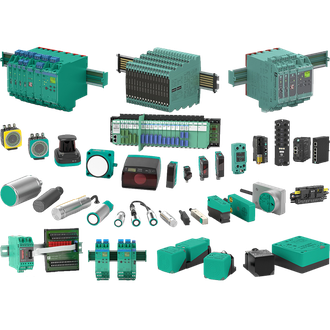
Pepperl+Fuchs LFL2-BK-U-CSM5 is a ball-type float level switch used for detecting a high or low liquid limit in a vessel. This page identifies the representative designation and the checks that matter when the device is selected for a real installation. The common product montage is a category reference image, not a photograph of the exact LFL2-BK-U-CSM5 unit. Compare the full label and current manufacturer data before committing a purchase or changing a live circuit.
Key technical data
| Technical item | Verified value / selection note |
|---|---|
| Exact designation | LFL2-BK-U-CSM5 |
| Product type | ball-type float level switch |
| Detection | Liquid limit-level switching |
| Float | Ball-type LFL2-BK body |
| Switch element | Mechanical changeover microswitch |
| Connection | CSM5 cable variant; verify cable material and length on current label |
| Variant boundary | Use the complete type code and current device label when selecting a replacement. |
Operating role and application
In the intended system, LFL2-BK-U-CSM5 is used for detecting a high or low liquid limit in a vessel. Its role is not defined by the product picture or a shared prefix alone. Establish what arrives at the device, what leaves it and which controller, field instrument or mechanical component it must match. When LFL2-BK-U-CSM5 is ordered as a spare, preserve the complete suffix and all installed configuration information.
Interface and installation fit
For LFL2-BK-U-CSM5, Compare medium compatibility, float orientation, cable support and the switch state at rising/falling level. Review the mating equipment, supply path, mounting space, cable or terminal assignment and any required hazardous-area documentation. If the present installation has field-modified wiring or programming, photograph and record it before removal. The same-looking item can require different wiring or settings.
Commissioning and maintenance
After fitting LFL2-BK-U-CSM5, Move through the actual trip level and verify continuity and alarm logic under process conditions. Record both the expected and observed behavior. Inspect indicators, fault response and controller diagnostics where provided. If the test does not match, verify wiring, configuration and connected equipment before assuming that a new LFL2-BK-U-CSM5 is defective.
Procurement and replacement details
When requesting LFL2-BK-U-CSM5, Request the complete LFL2-BK-U-CSM5 code; different LFL2 cable and float options should not be assumed equivalent. State operating environment, required certificates and the exact application. Request written confirmation for any proposed alternative. A reference model in the list below may belong to the same visible naming cluster but is not a default functional replacement for LFL2-BK-U-CSM5.
Related designation references
The following catalog designations share the visible LFL2 naming cluster with LFL2-BK-U-CSM5. They are grouped to aid search and procurement, not to assert identical ratings, wiring, approvals or interchangeability. Each complete code must be checked separately against the required duty.
- LFL2-BK-U-PUR5
- LFL2-BK-U-PVC5
- LFL2-CK-U-PUR5-EMS
- LFL2-CK-U-TPK5-EMS
Final selection check
For LFL2-BK-U-CSM5, confirm the latest datasheet and nameplate before ordering or commissioning. Retain the loop drawing, configuration and acceptance record with the maintenance file. The technical values above apply to LFL2-BK-U-CSM5 only where stated, not to every related designation.
